REVIEW · CHEESE
Amsterdam: Make your cheese next to De Hallen
Book on GetYourGuide →Operated by De Kaasserie · Bookable on GetYourGuide
Cheese starts with two simple choices. In this 3-hour class at De Kaasserie, I love that you don’t just watch cheese being made—you make two fresh cheeses yourself, then taste what you produced.
You’ll learn the basics of two milk coagulation methods (acid and rennet), plus how each one changes the end result. A second thing I like: the class gives you a real at-home path, with supplies and a recipe email so you can keep going after the workshop.
One consideration: the session isn’t for everyone—it’s not suitable for people with lactose intolerance, and it’s designed for ages 16+.
In This Review
- Key points before you go
- Where this takes place near De Hallen
- Entering De Kaasserie and getting the setup right
- Your hands-on cheese workflow: two liters, two results
- Acid-coagulated cheese: learn the fresh approach
- Rennet-coagulated cheese: the method behind aged cheese
- From curds to cheese: timing and finishing steps
- The tasting: learning by eating what you made
- Pricing and whether it’s a good value
- Who this is best for (and who should skip it)
- Practical tips so you get the most from the class
- Is it worth it? Should you book this cheese workshop
- FAQ
- Where do I meet for the workshop?
- How long is the cheese-making class?
- What cheeses will I make?
- Can I add herbs or spices to my cheese?
- Is the class large?
- Is there a tasting at the end?
- What do I take home?
- Is it suitable for lactose intolerance?
Key points before you go
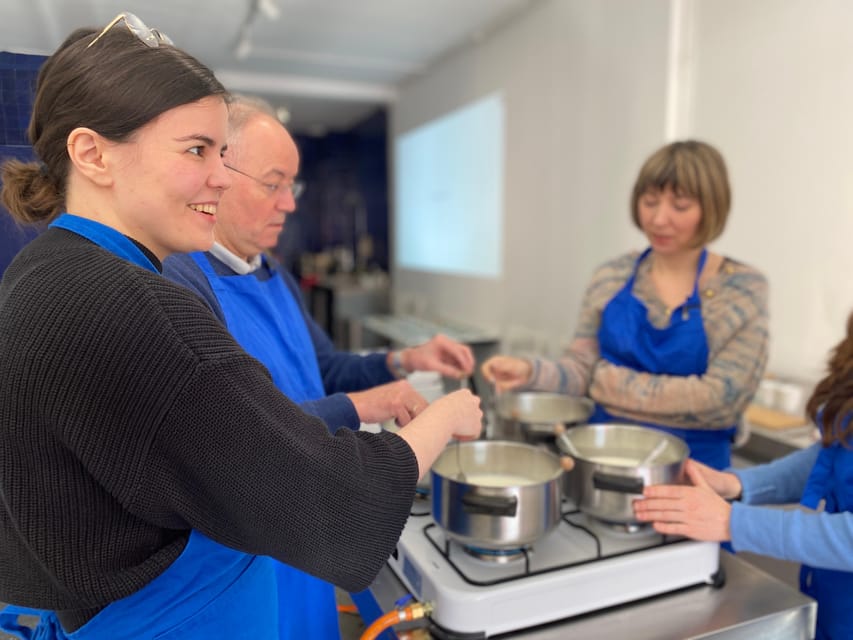
Small group, up to 10 people: more hands-on time and easier questions.
Two cheese styles from two liters of milk: acid-coagulated and rennet-coagulated, made during the same workshop.
Rennet coagulation tied to aged cheese: you’ll learn the method used for longer-maturing cheeses.
You experiment with herbs and spices: you’ll shape your own flavor, not just follow steps.
You leave with two cheeses and the basics: cheese cloth, rennet, calcium, plus recipes by email.
A short intro before you start: an overview of De Kaasserie and the process keeps you on track.
Where this takes place near De Hallen
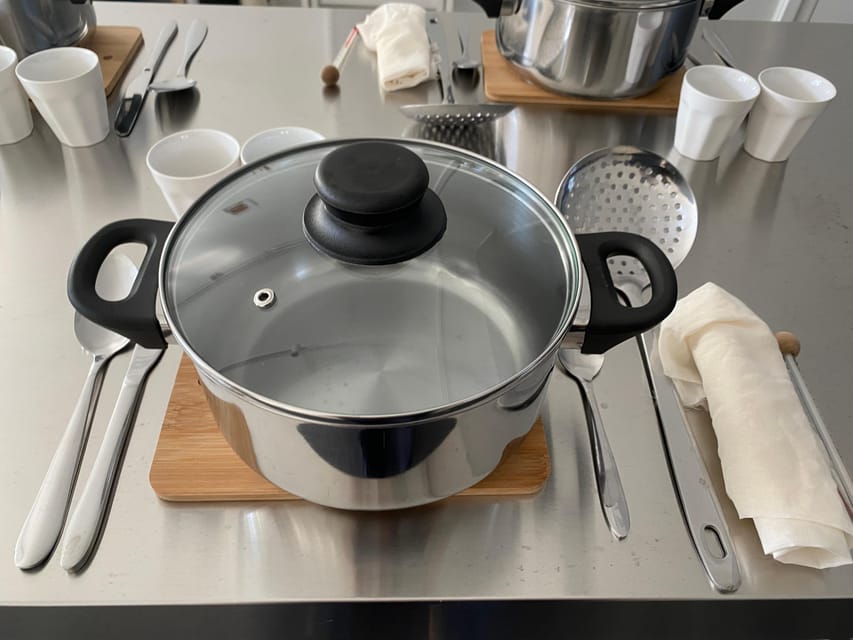
This workshop happens at De Kaasserie, a convenient choice if you’re already planning time around De Hallen in Amsterdam. The meet-up point is listed as varying by option, but the experience itself is centered at De Kaasserie, so you can plan to arrive with a little flexibility and an easy walk/ride.
Why I like the location: it fits naturally into a day of exploring neighborhoods and food stops. You’re not forced into a “whole day” commitment. The class is short enough that you can still eat well afterward—just note that tea is included, while no coffee or alcoholic drinks are part of the package.
You can also read our reviews of more tours and experiences in Amsterdam



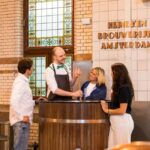
Entering De Kaasserie and getting the setup right
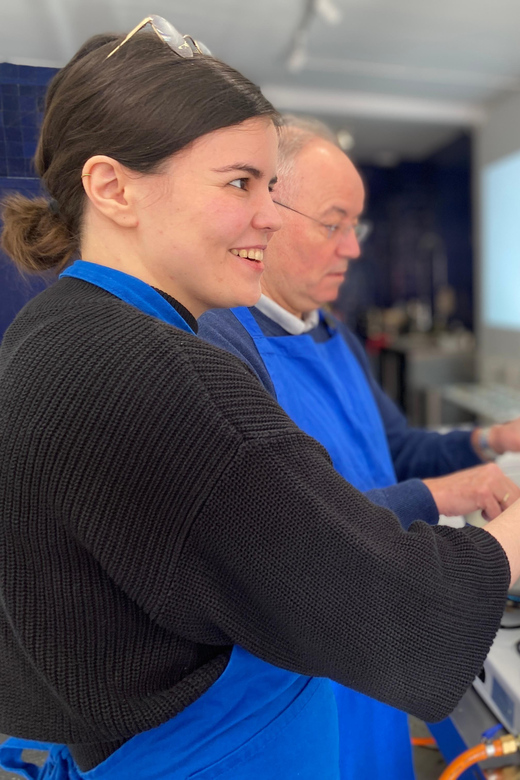
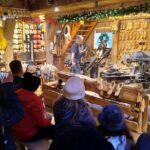
You start with everyone arriving, then a welcome presentation introduces De Kaasserie and the workshop format. This matters more than it sounds. Cheese-making can feel mysterious when you’re not sure what’s happening chemically, so that quick briefing gives you a mental map.
From there, you’ll focus on the two core types of milk coagulation:
- Acid coagulation
- Rennet coagulation
This is the heart of the class, because it’s the difference between “fresh and simple” versus the route many people associate with aged cheese. You don’t need a science background. The presentation helps you understand the why, so the steps don’t feel random.
And in reviews, the instructor stands out for being both knowledgeable and personable, with an opening that includes everyone introducing themselves. That kind of small-group rhythm helps you feel comfortable asking questions while your hands are covered in curds.
Your hands-on cheese workflow: two liters, two results
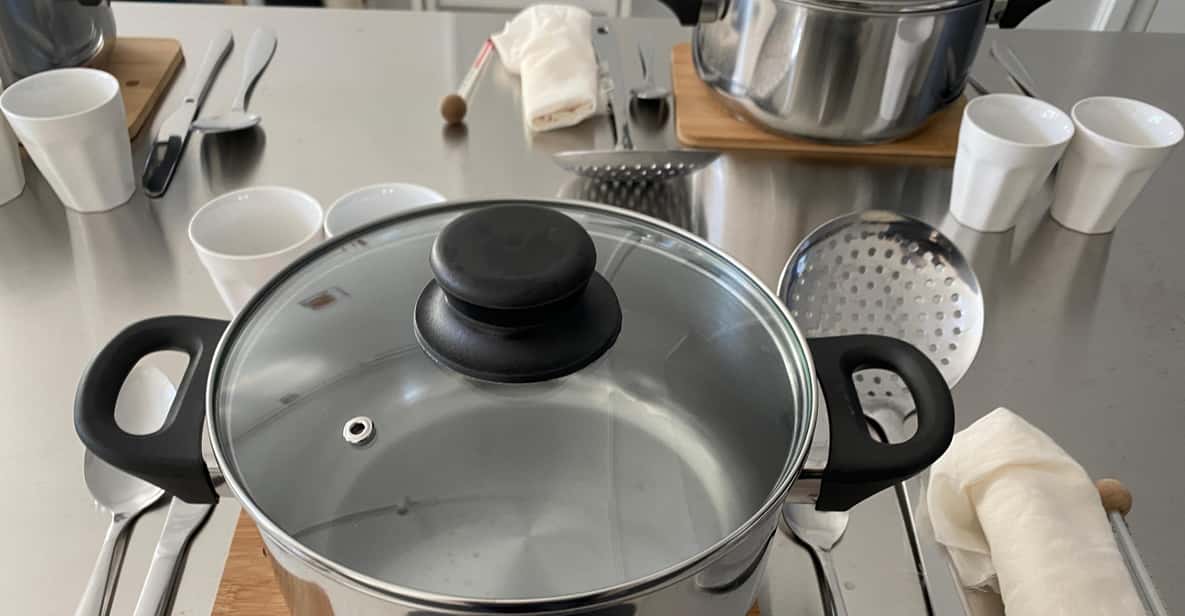
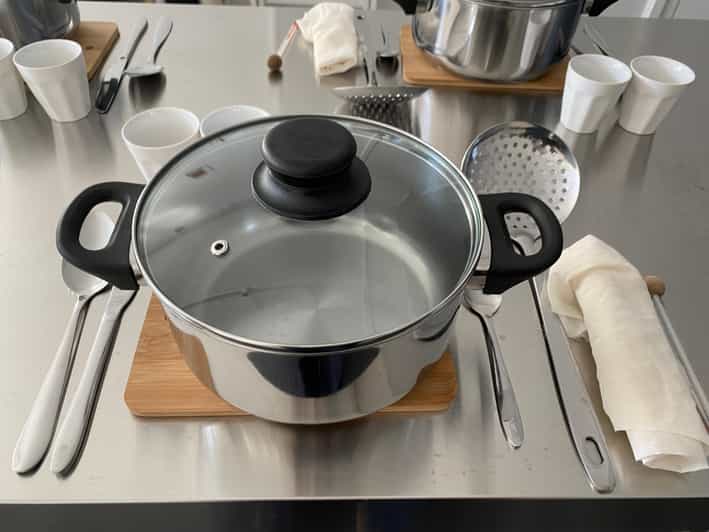
Here’s the part you came for: you’ll use one liter of supermarket milk to make an acid-coagulated cheese, and another liter to make a rennet-coagulated cheese. The class is set up so that two milk cartons become two pieces of cheese—both fresh types.
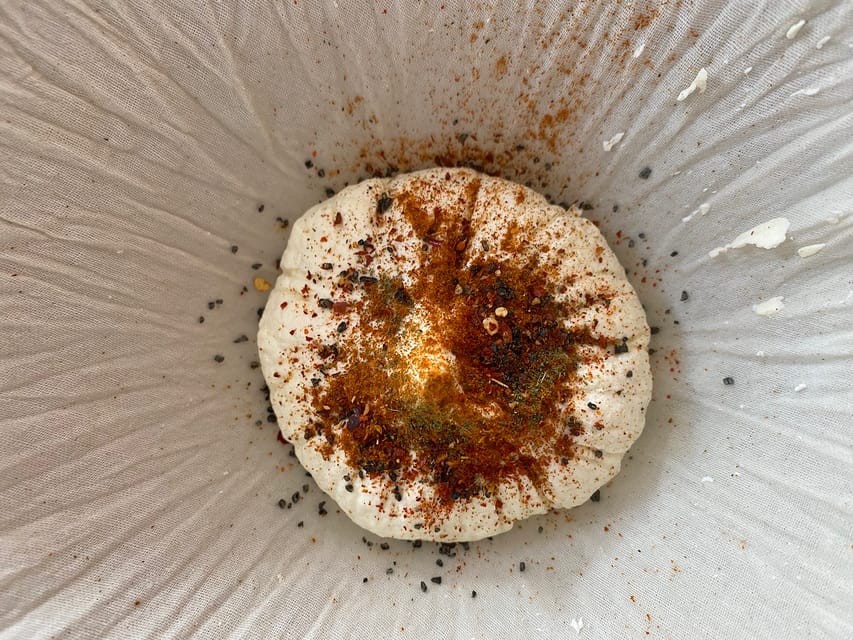
You also get to experiment with herbs and spices. This is a practical detail that I actually value: it turns “cheese-making” from a one-time experiment into something personal. Even if you don’t perfect flavors on your first try, you’ll learn what works and what you prefer when you do it again later at home.
Acid-coagulated cheese: learn the fresh approach
With acid coagulation, the process is designed to produce a fresh cheese style. Think of this as the approachable entry point. It’s the method many beginners find easier because it’s a direct path to curds that set in a straightforward way.
When you taste later, you’ll be able to connect the taste to what you did during the setting step. That’s the real “skill” you’re building: cause and effect.
Rennet-coagulated cheese: the method behind aged cheese
Then you switch to rennet coagulation, which is the procedure used to make aged cheese. This matters because it explains why you’re learning this workshop at all, even if the cheeses you make today are fresh.
In other words: today’s result isn’t the end goal. It’s the foundation. Once you understand rennet coagulation with a fresh cheese, you can follow more complex, longer recipes at home to move toward aged styles.
If you like the idea of progressing, this workshop sets you up well: it’s teaching a method, not just producing one tasty snack.





From curds to cheese: timing and finishing steps
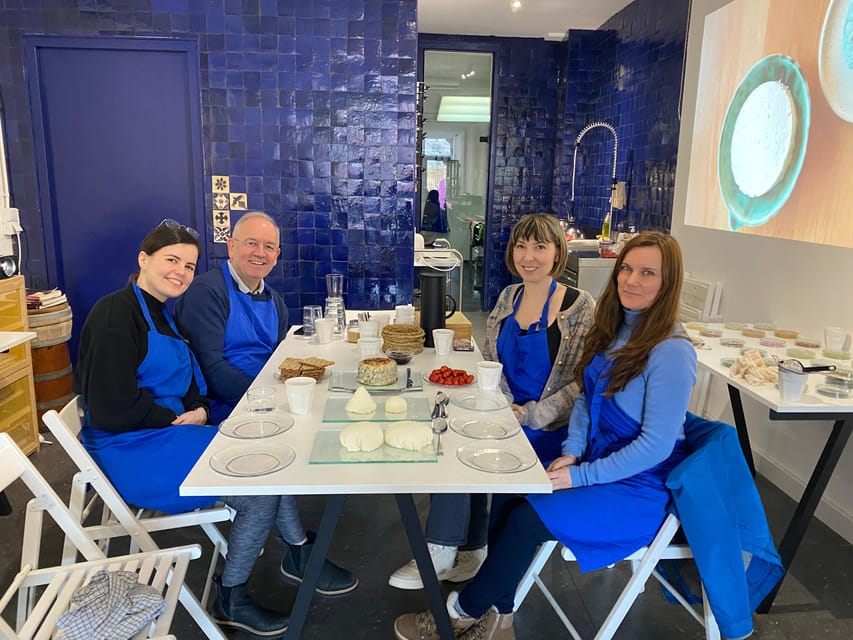
After the two cheeses are ready, the workshop moves into closing mode—finishing and tasting. You’re not doing a marathon of steps over the entire day; the class is built around the 3-hour structure and the practical reality of getting fresh cheeses made in time.
You’ll also take home what you need to keep going:
- your two cheeses
- cheese cloth
- rennet
- calcium
- recipes by email
That take-home bundle is part of the value. A lot of workshops stop at “watch and taste.” This one gives you the ingredients and the instructions to reproduce the process.
The tasting: learning by eating what you made
When you finish making the cheeses, you’ll do a homemade cheese tasting, including fresh and pressed cheeses. This tasting is not just for pleasure—it’s how you calibrate your understanding.
Taste, then think back:
- Was the herb mix stronger than you expected?
- Did one cheese set firmer?
- Did the rennet cheese feel different in texture compared with the acid one?
This is where the class stays practical. You’re building a sensory reference so that when you try again later, you’ll notice what “right” feels like.
Pricing and whether it’s a good value
The price is listed as $135 per person for a 3-hour small-group workshop. For Amsterdam, that can sound like “just a fun food thing” until you look at what you actually get.
You’re paying for:
- Hands-on instruction for two types of milk coagulation
- A small group limit (up to 10)
- Equipment and guidance for making two cheeses
- An included tea introduction
- A tasting
- Take-home supplies (including rennet and calcium) and two cheeses
In value terms, the key is that you leave with usable inputs, not just memories. If you’ve ever wanted to try cheese-making at home, this course saves you trial-and-error time by giving you the starting kit and the method sequence in a guided setting.
If you’re only interested in tasting cheese with no desire to make anything yourself, you might prefer a traditional food tour. But if you want a craft you can repeat, the structure justifies the cost.
Who this is best for (and who should skip it)
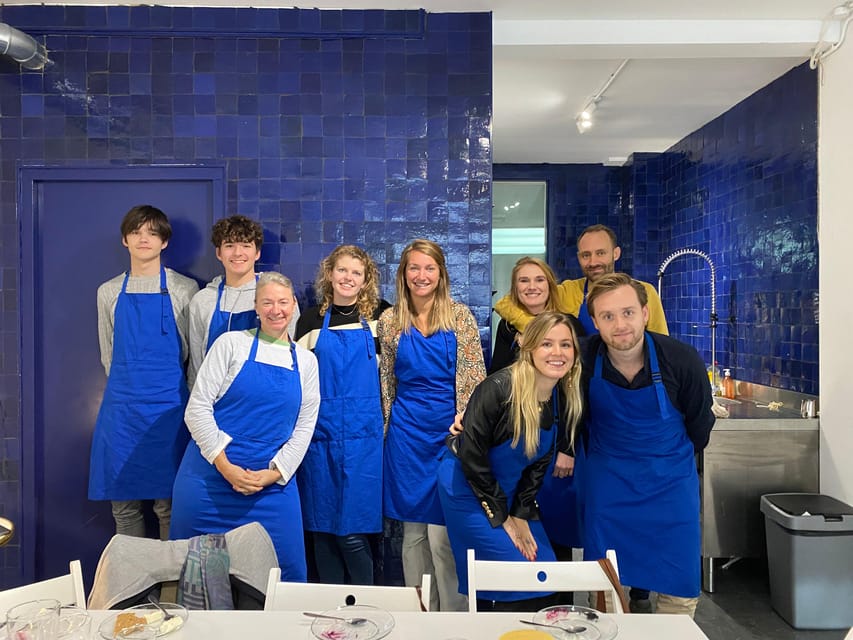
This experience fits best if you:
- want a hands-on life-long skill (their framing, and honestly the best way to describe it)
- enjoy cooking projects and don’t mind learning the “why”
- want an easy at-home path to make cheese again after Amsterdam
It’s not a match if you:
- need lactose-free options (the workshop is not suitable for lactose intolerance)
- are traveling with kids (it’s not suitable for children under 16)
- are bringing someone who needs very different pacing (the listing also notes people over 95 are not suitable)
Practical tips so you get the most from the class
A few smart moves can improve your experience:
- Come with a willingness to get a little involved. Cheese-making is physical work; you’ll be doing steps, not just watching.
- Plan your next meal. You’ll taste what you made, and you’ll also take cheese home, so you may not want a heavy dinner immediately afterward.
- Think about herbs and spices. If you’re someone who always thinks of flavor later, decide early what you want to try when you’re given the chance to experiment.
- Ask your instructor questions. In reviews, the instructor (Paula is named) is singled out for helpfulness and clear guidance, especially with the friendly group setup.
Is it worth it? Should you book this cheese workshop
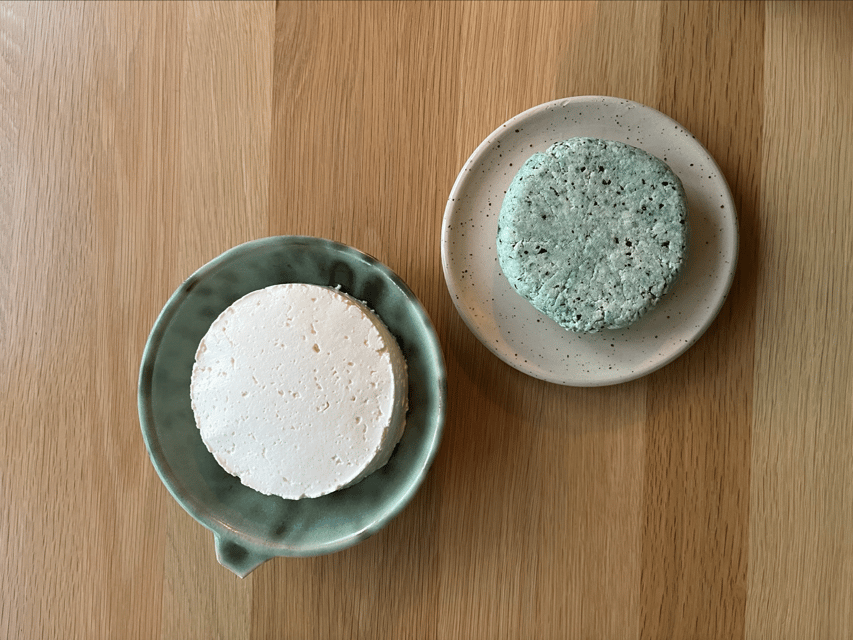
If you want a souvenir that you can eat today and use again later, I think this workshop is a strong pick. The combination of two coagulation methods, hands-on time, tasting, and a take-home kit makes it more than a one-off activity.
Book it if you’re curious about learning acid vs rennet and you like the idea of making your own cheese at home—especially aged-style potential via rennet coagulation. Skip it if you’re mainly chasing sightseeing, because this is about craft, not monuments.
Overall, it’s a practical, skill-building class near De Hallen, and the “leave with the tools” part is what seals the deal.
FAQ
Where do I meet for the workshop?
You meet at De Kaasserie. The exact meeting point may vary depending on the option you book, but the workshop location is De Kaasserie.
How long is the cheese-making class?
The duration is 3 hours.
What cheeses will I make?
You’ll make two kinds of fresh cheese: one acid-coagulated cheese and one rennet-coagulated cheese, using two liters of supermarket milk total.
Can I add herbs or spices to my cheese?
Yes. You can experiment by adding spices and herbs to your cheese.
Is the class large?
No. It’s a small group limited to 10 participants.
Is there a tasting at the end?
Yes. You’ll enjoy a homemade cheese tasting, including fresh and pressed cheeses.
What do I take home?
You take home two cheeses, a cheese cloth, rennet, calcium, and you receive the recipes by email.
Is it suitable for lactose intolerance?
No. The workshop is not suitable for people with lactose intolerance.
You Might Also Enjoy

More Cheese in Amsterdam
- Zaanse Schans Windmills, Clogs and Dutch Cheese Small-Group Tour from Amsterdam
★ 4.5 · 2,369 reviews