REVIEW · VOLENDAM
Volendam: 2-Hour Clogmaking Workshop and Cheese Tour
Book on GetYourGuide →Operated by Simonehoeve Cheese, clogs and restaurant · Bookable on GetYourGuide
Wood shavings, Gouda smells, and a handmade keepsake. What I like most is the hands-on Dutch clogmaking workshop—starting from a poplar wood block and ending with a clog you made yourself. I also really enjoy the cheese factory tour followed by tastings that put real Gouda and Edam on your plate, with stroopwafel and speculaas along the way. One thing to factor in: some sessions can feel rushed, and the tools quality can vary, so you may need to manage expectations about how finished your clog will look.
This is a two-part experience in about two hours. You’ll carve your shoe with a big knife and a sharp spoon, then you can decorate a bottle opener using engraving tools and colorful paint. After that, you’ll get a guided look at how milk turns into Gouda, plus learn about traditional cheese slicers and see the goods up close in the shop.
At $91 per person, it’s not a cheap stop, but you are buying tangible value: a wooden shoe to take home and a guided cheese tastings experience. Just note that transport and any extra food and drinks are not included, and the activity is not suitable for children under 16.
In This Review
- Key points before you go
- Simonehoeve in Volendam: easy to find and quick to get into the flow
- The 2-hour clog workshop: from poplar block to your own wooden shoe
- Techniques you’ll notice: big knife shaping vs. spoon hollowing
- Bottle opener engraving and paint: the craft souvenir that’s easier to finish
- Cheese factory tour at Simonehoeve: how milk becomes Gouda
- The tasting room: Gouda, Edam, stroopwafel, speculaas, and fruit wine
- Price and value: what $91 really covers in a 2-hour stop
- What can go wrong (and how to protect your time)
- Who this tour is for (and who should skip it)
- Tips to get the most from your clog and cheese time
- Should you book Simonehoeve’s Volendam clogmaking and cheese tour?
- FAQ
- How long is the Volendam clogmaking and cheese workshop?
- What do I take home from the tour?
- Is this tour suitable for children?
- What languages are available for the guided tour?
- Where is the meeting point in Volendam?
- What food and drinks are included?
Key points before you go
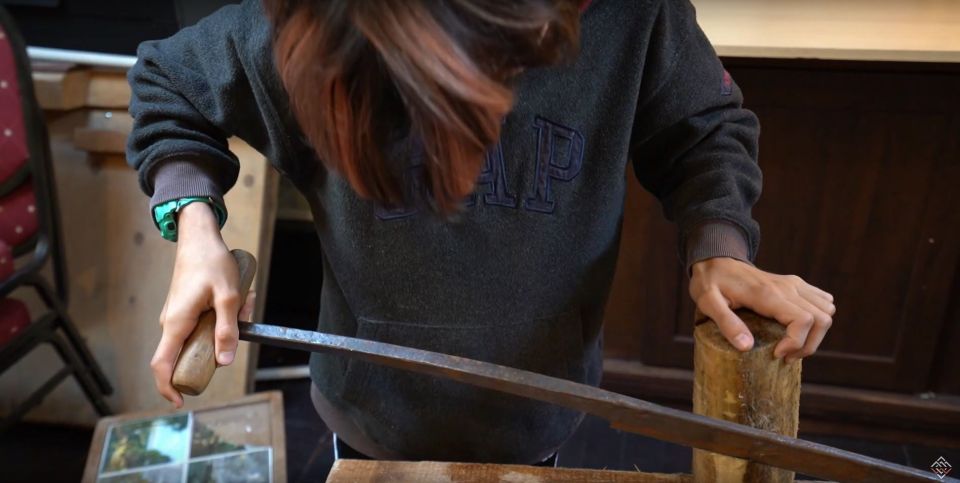
- You’ll actually carve a wooden shoe: poplar wood, big-knife shaping, and spoon-carving inside
- Bottle opener decoration is part of the fun: engraving tools plus colorful paint
- Gouda-making is explained on-site with a guided factory tour and traditional slicing tools
- Tastings are Dutch classics: Gouda and Edam, stroopwafel, speculaas, and local fruit wine
- Your final clog finish depends on your skill and timing, so focus on the experience, not perfection
- Service quality can vary by session, so arrive early and be ready to ask questions if you want more instruction
Simonehoeve in Volendam: easy to find and quick to get into the flow
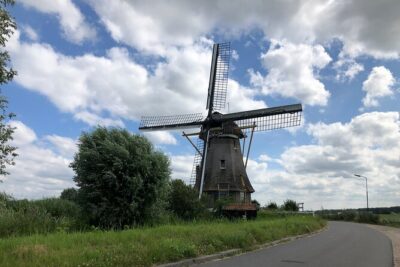
Simonehoeve, the cheese, clogs, and restaurant complex in North Holland, is designed for quick immersion. The meeting point is at Wagenweg 2, 1145 PW Katwoude/Volendam, and it’s a short walk from the bus stop called Hotel Volendam, where you can recognize the area by the windmill nearby.
If you’re coming from Amsterdam, the simplest public-transport option in the info given is bus 316 from Amsterdam CS (IJzijde). You can buy tickets at the station or directly from the driver, and the driver does not take cash—so have a card or follow whatever payment method the bus system allows.
Timing matters more than you’d think. The guidance here is to arrive between 9:00 AM and 3:00 PM, which gives your group enough room to check in, get geared up for woodworking, and still reach the cheese portion without scrambling.
You can also read our reviews of more tours and experiences in Volendam
The 2-hour clog workshop: from poplar block to your own wooden shoe
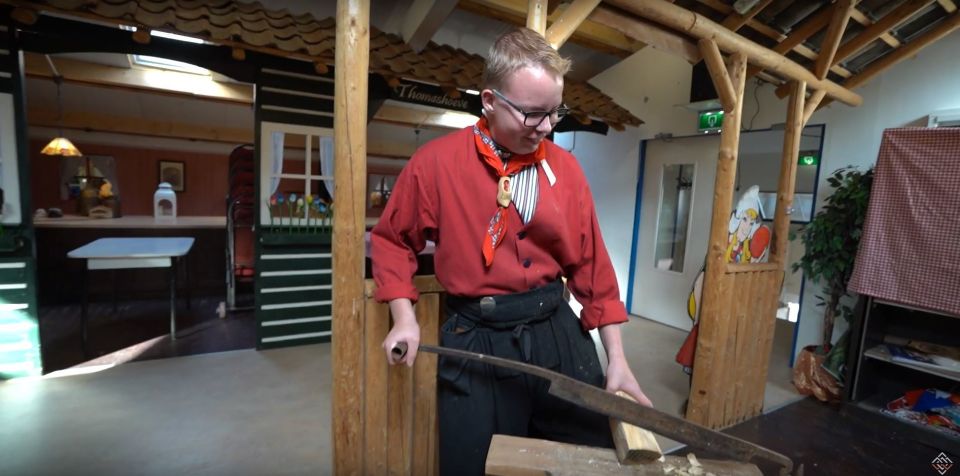
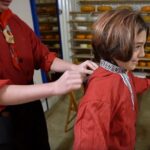
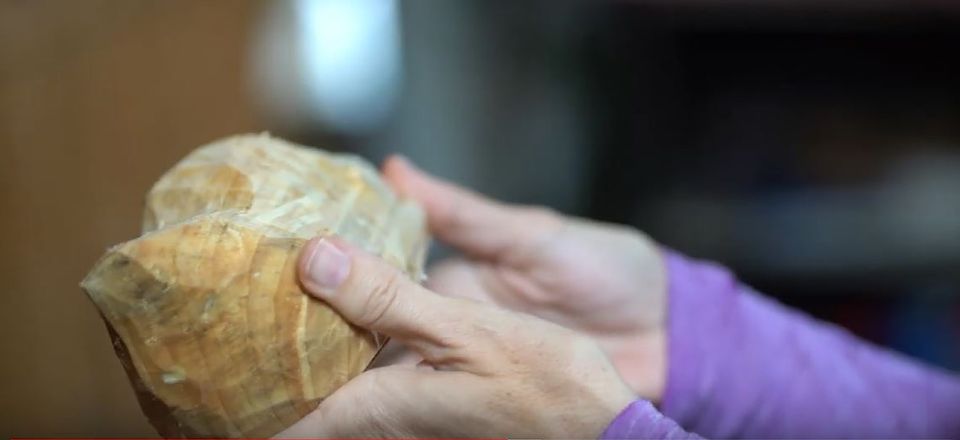
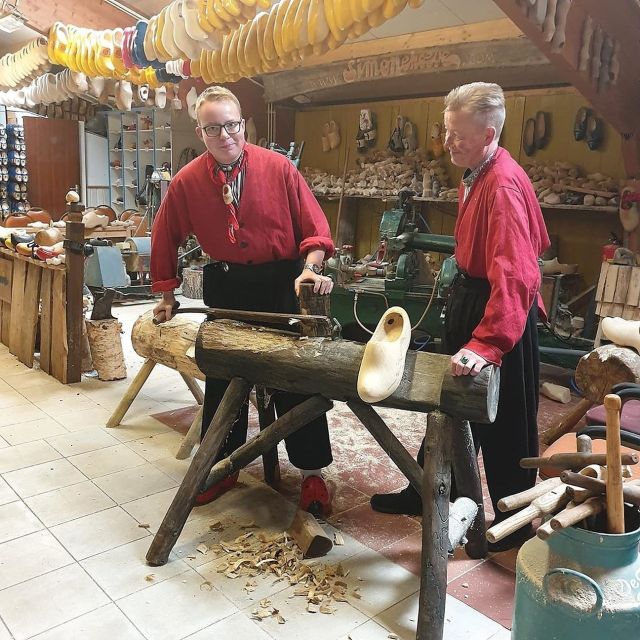
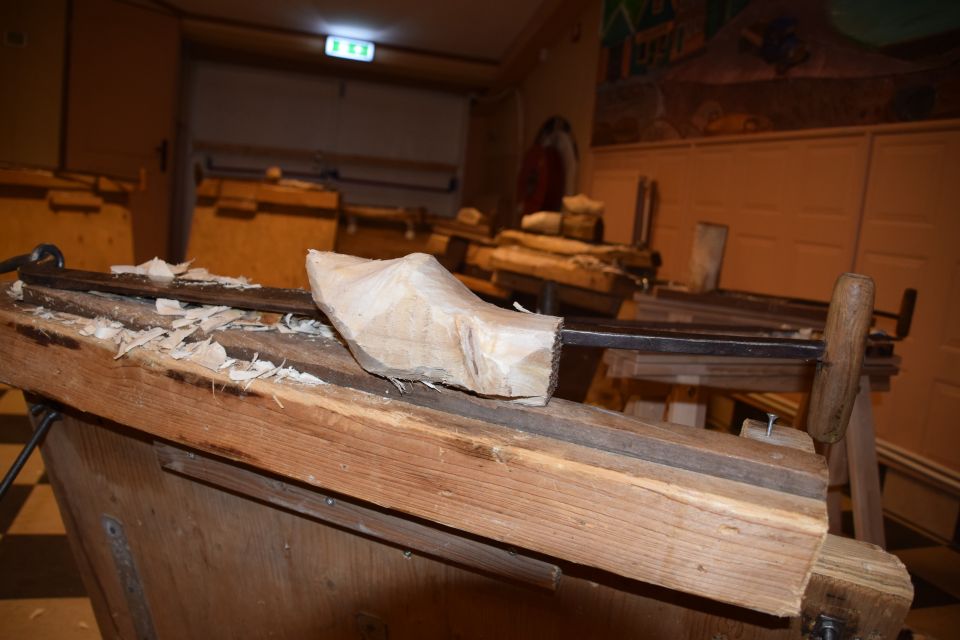
The core experience is the clog workshop, and it’s exactly what it sounds like: old-school hand tools and real carving time. You start with a block of wood from the Dutch poplar tree, then you follow the steps to create the outside of the shoe first.
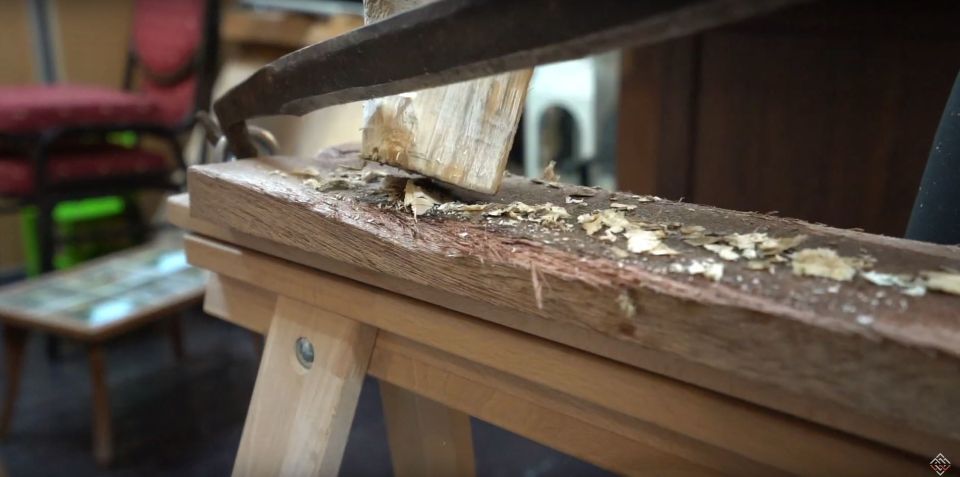
You’ll be shaping the exterior the old fashioned way, using a big knife to shape the form. Then you’ll move to the inside, carving it out with a sharp spoon, which is the part where the clog starts to look like a shoe instead of a chunk of wood.
You make one wooden shoe per person during the workshop. A practical note: the information you were given states that the end result depends on your clog-making skills, and that lines up with what I’d advise in real life—this is craft practice, not a factory line.
One detail worth knowing: this is not just “painting clogs.” The expectation some people bring in is that they’ll mainly decorate finished shoes. Based on what’s described, you’re doing the hand-making step as part of the workshop, so come with the mindset of carving and finishing, and save “mostly artwork” expectations for the bottle opener station.
Techniques you’ll notice: big knife shaping vs. spoon hollowing
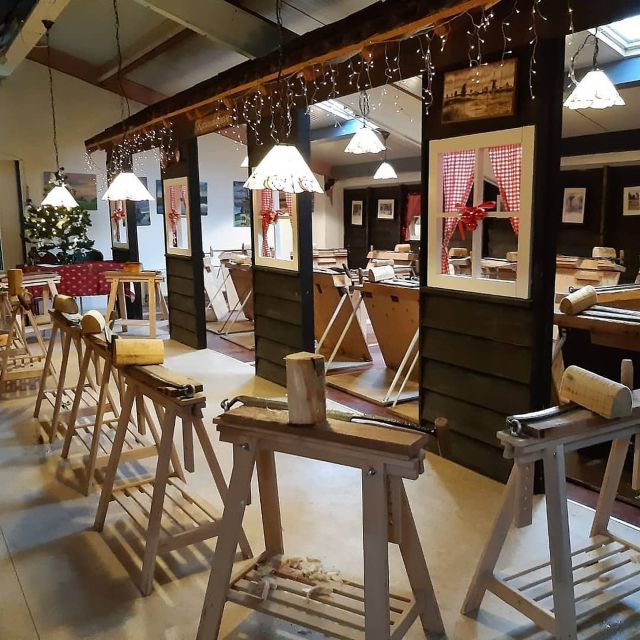
What makes the clog process interesting is how it teaches the logic of the shoe’s shape. The outside shaping is all about getting the silhouette right, and you’ll feel the resistance of the wood as you remove larger chunks.
The inside spoon-carving changes the feel of the task. Hollowing isn’t just cosmetic; it’s where the clog’s fit and balance starts to emerge, and it’s also the step that can be slow if your carving angle isn’t consistent.
I like that you’re not just watching. You’re doing the work with guidance, and that hands-on rhythm helps the whole craft click, even if you’re not a woodworker at home.
Bottle opener engraving and paint: the craft souvenir that’s easier to finish
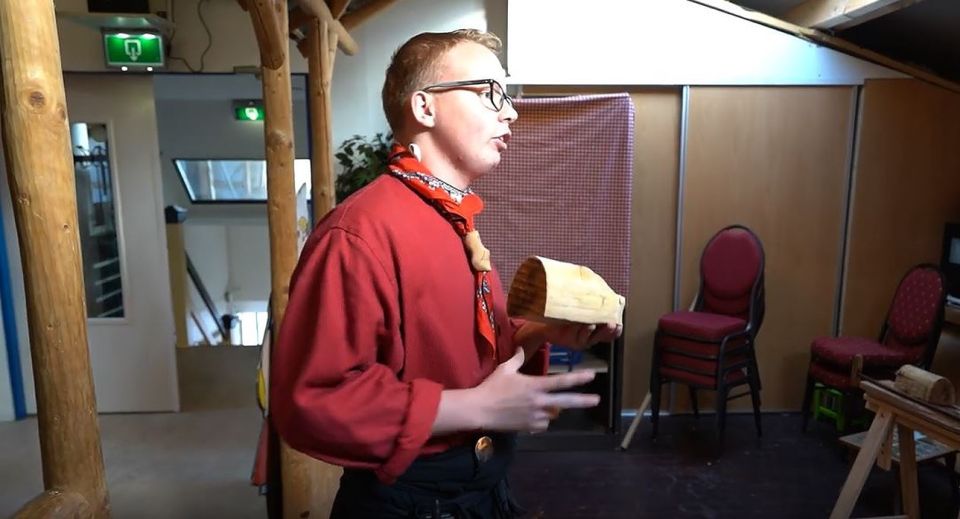
After the wood-shoe carving, you get a second creative station built for quick wins. The workshop includes a beer opener you can decorate with engraving tools and colorful paint.
There’s also mention of a plain bottle opener you can take home and optionally paint during the workshop. In practice, either way, you should treat this as your backup souvenir moment: if the clog takes longer than you expect, the opener is a nice way to still leave with something polished and personal.
This is also where many people relax. Wood carving can be tiring in your wrists and shoulders; engraving and painting are gentler, and you can focus on design details like color choices and personal patterns.
A couple of notes from the quality side of the experience: when the staff is at their best, they guide you through both the carving and the decorating with patience. One name that came up in the info you provided is Ahmed (Ahry), who was described as providing quality service and precise explanations. Another name you may hear is Fred, who helped someone make the most of the experience.
Cheese factory tour at Simonehoeve: how milk becomes Gouda
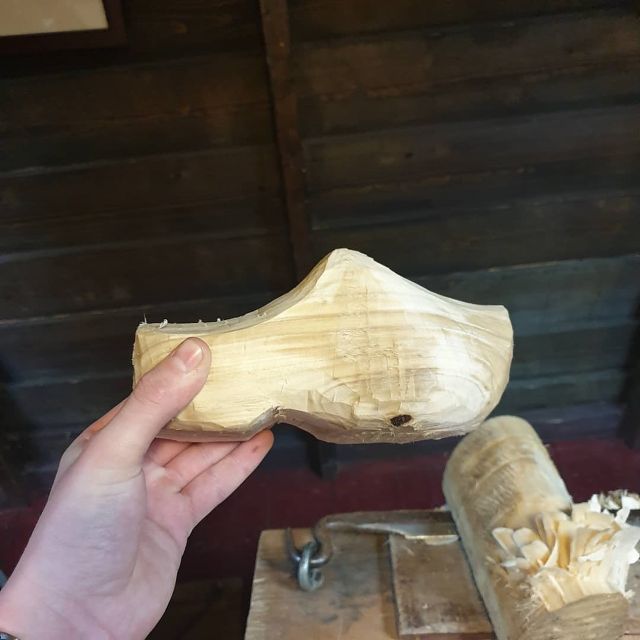
Once the woodworking part wraps, the pace changes from workshop noise to cheese explanation. You’ll enjoy a guided tour through the cheese factory and learn how milk is transformed into Dutch Gouda cheese.
The tour doesn’t just stop at generalities. You’re shown different types of cheeses and how traditional slicers are used. That matters because it connects the product you’ll taste to the tools that shape slices, textures, and presentation.
If you love food details, this part is satisfying. Gouda is one of those cheeses people think they know, but hearing how the process is handled on-site makes it more concrete. The factory tour also helps you understand why the shop can offer multiple varieties side by side.
You can also read our reviews of more tours and experiences in Volendam
The tasting room: Gouda, Edam, stroopwafel, speculaas, and fruit wine
After you’ve seen the process, you move into the shop/tasting area. This is where you get the pay-off: samples and shopping time in a setting designed for holiday-style browsing.
The cheese tasting centers on real Dutch Gouda and Edam, and the experience also includes classic Dutch sweet bites like stroopwafel and speculaas. You’re also offered local fruit wine, plus you’ll find biscuits and cheeses for sale in the shop.
One practical way to get value here is to taste first, then decide what to buy. The shop can be tempting, and I’d set a budget before you start walking the aisles. The info you were given includes hints that souvenirs can run expensive, so being deliberate helps you avoid sticker shock.
Also, if you care about specific cheese styles or want a few types to bring home, buy them while you’re at the shop. The tour format is short, and you don’t want to realize you missed the tastings that would’ve guided your shopping.
Price and value: what $91 really covers in a 2-hour stop
At $91 per person for about two hours, you’re paying for three things at once: a hands-on craft session, a guided cheese factory tour, and tastings plus take-home items.
What you get included is clear and important:
- Your own handmade clog to bring home
- A decorated clog to bring home
- A guide-led cheese factory tour and tastings in the shop area
What’s not included is also key: transportation and additional food and drinks. That means the real cost depends on how you plan to get there and whether you plan to purchase extra cheese or snacks beyond the tastings.
So is it worth it? For me, it’s a strong value if you want a break from museum-style tourism and you like doing something with your hands. If your main goal is relaxing while someone explains history, this might feel like “too active for too short a time.” And because the timing is tight, you’ll want to arrive on schedule so you don’t end up cutting off the later tasting portion.
What can go wrong (and how to protect your time)
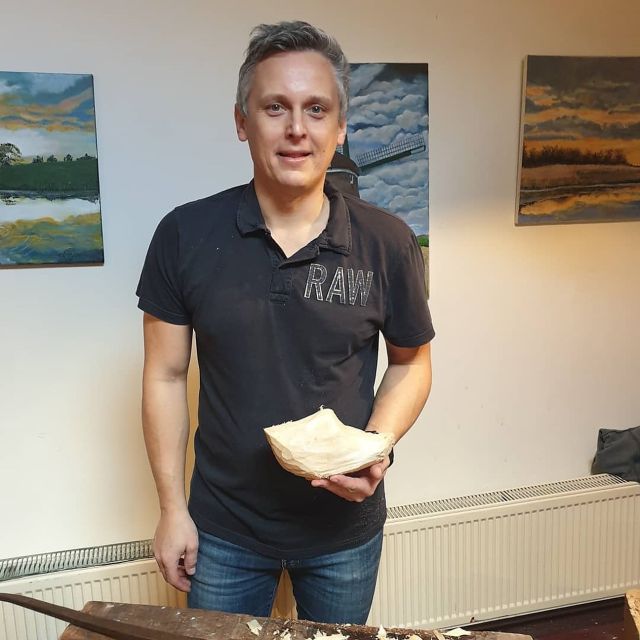
The best versions of this experience are guided by staff who are welcoming and helpful, with people stepping in to make sure you finish carving and have time to decorate. The info you shared points to sessions where guides were cheerful and supportive, with plenty of time to carve and then paint bottle openers.
But there are also considerations to plan around:
- The workshop equipment may feel dull if a blade or tool isn’t sharp enough, which can slow you down and reduce how smooth your results look.
- The schedule can feel rushed if your group is behind, and that could limit how much time you spend on either carving or decorating.
- Language support is offered in several languages, but if you need French, I’d make sure your language is confirmed at check-in so you get the explanation you expect.
The simple fix is practical: arrive early, ask questions fast if something feels unclear, and treat the clog as the process plus a souvenir—not a perfect final product you could buy off a shelf.
Who this tour is for (and who should skip it)
This is a great fit for adults and older teens who enjoy food and hands-on activities. The info given also states it’s not suitable for children under 16, so if you’re traveling as a family with younger kids, you’ll need to look elsewhere.
You’ll probably enjoy it most if you:
- Want an authentic Dutch craft experience beyond watching from the sidelines
- Like food tours that include tastings, not just shopping
- Enjoy small souvenirs you actually made or customized
You might skip it if you:
- Want a mostly relaxed experience with minimal physical work
- Expect a fully finished, showroom-perfect clog with lots of decorative painting
- Are traveling with limited time and can’t risk a tight schedule
Tips to get the most from your clog and cheese time
Here’s how you turn a short workshop into the best possible outcome.
Arrive early and get comfortable with the flow. A small delay can make the difference between good carving time and rushing.
Treat the tools as part of the challenge. If you feel the knife or spoon isn’t working the way you expected, ask for guidance early rather than forcing it through.
Prioritize the steps you can control. You can influence your carving angles and finishing, and you can control how you decorate your bottle opener. If your clog looks rough, you still leave with something genuine and personal.
Taste first, buy second at the shop. That way your cheese choices match what you actually enjoyed rather than what looks best on a shelf.
Should you book Simonehoeve’s Volendam clogmaking and cheese tour?
I’d book this tour if you want a short, practical experience that mixes Dutch craft and Dutch food in the same visit. The hands-on clogmaking and the guided Gouda-focused factory tour are a clean combo, and the take-home souvenirs make the $91 feel less like a ticket and more like a memory you can hold.
I’d be cautious if you need a very polished craft result or you’re expecting a primarily decorative, paint-focused clog session. Also, if you’re particularly sensitive to time and want zero rushing, plan for the schedule to feel tight—wood carving takes patience.
If you do book, go in with the right mindset: carve, ask, taste, and shop with a plan. When the session clicks, you leave with a real Dutch wooden shoe and a better understanding of how Gouda gets made—plus Dutch snacks you’ll remember long after you’ve left Volendam.
FAQ
How long is the Volendam clogmaking and cheese workshop?
The experience lasts about 2 hours, with check availability showing starting times.
What do I take home from the tour?
You take home your handmade clog and a decorated clog. You also get bottle openers associated with the decorating step (including one you can decorate during the workshop).
Is this tour suitable for children?
No. The activity is not suitable for children under 16.
What languages are available for the guided tour?
The live tour guide is available in Dutch, English, French, German, Italian, and Spanish.
Where is the meeting point in Volendam?
You meet at Simonehoeve, Wagenweg 2, 1145 PW Katwoude/Volendam.
What food and drinks are included?
The tour includes tastings such as Dutch Gouda and Edam, stroopwafel, speculaas, and local fruit wine. Transportation and any additional food and drinks are not included.